
What if remote monitoring could help reduce hospital readmissions by more than 50 percent? Findings from a large-scale Remote Patient Monitoring (RPM) program for patients at high-risk for readmissions suggest it can. By providing care teams with access to real-time patient data at home, RPM can help identify concerning trends earlier, support timely intervention before complications escalate, and lower healthcare costs associated with readmissions for patients with multiple chronic conditions.1
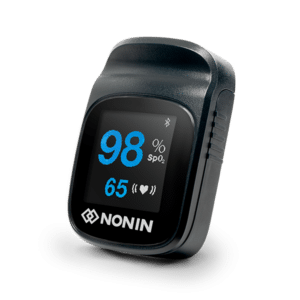
Conducted through Michigan Medicine, the program demonstrated the measurable impact this approach can have across multiple acute and chronic conditions. Connected monitoring technologies, including the Nonin Model 3230 Bluetooth® pulse oximeter, are used to support high-risk patients following discharge and during ongoing care management.
The retrospective matched-control study evaluated 1,809 patient encounters involving individuals with two or more chronic health conditions, including respiratory infections, congestive heart failure, hypertension, liver cirrhosis, and other conditions associated with elevated risk of readmission. Patients enrolled in the program were monitored remotely using connected technologies that enabled clinicians to track symptoms and physiologic changes between visits.
Within six months of enrollment, the program was associated with a 59% reduction in the average number of hospital readmissions overall.1 Researchers also reported meaningful improvements across multiple outcome measures, including:
- 75% reduction in hospital readmissions for respiratory infection patients1
- 57% reduction in hospital readmissions for congestive heart failure patients1
- $12.7M estimated savings from reduced hospital readmissions1
"RPM allows providers to closely monitor patients in real-time in their home and detect early signs of potential decompensation."
–Patient Monitoring At Home RPM program, Michigan Medicine
According to the Michigan Medicine RPM team, remote monitoring allows providers to observe patients in their homes and identify early signs of potential decompensation before hospitalization becomes necessary. The program’s findings suggest this type of sustained visibility can support earlier clinical intervention, more timely follow-up, and greater continuity of care for high-risk patients after discharge.1
Connected pulse oximetry is an important component of many RPM clinical management programs, particularly for patients managing respiratory or cardiovascular conditions. Access to ongoing physiologic data and monitoring may help clinicians identify subtle shifts in patient status that could otherwise be difficult to detect during episodic care interactions.
For healthcare organizations expanding virtual care programs, the Michigan Medicine findings add to the growing body of evidence supporting RPM as a tool for managing high-risk patient populations outside traditional care settings. Across a large and clinically diverse patient population, the program demonstrated meaningful reductions in hospitalization and associated healthcare utilization.1
To learn more about Nonin Medical’s Remote Patient Monitoring capabilities, visit nonin.com/products/3230.